Forest Path Tile Puzzle
Reviews
Forest Path Tile Puzzle trades urgency for observation. Its tile mechanics are simple to start, but the reliance on environmental clues gives the forest a functional role rather than a decorative one. Difficulty rises gradually, and some puzzles intentionally wait until later items or knowledge are available. The browser-based format removes setup friction. Players who want fast action may find the pace too slow, while those who prefer thoughtful, low-pressure puzzle solving will likely appreciate the design.
Description
Puzzle Mechanics in a Woodland Setting
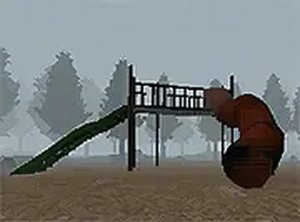
Forest Path Tile Puzzle asks players to move through a quiet forest by rearranging tiles and matching patterns. Each solved tile arrangement opens a new area to explore. The puzzles are not timed, so players can study the board without pressure. Clues are placed subtly in the environment rather than stated outright, which means careful observation matters as much as tile manipulation.
How the Forest Guides Your Decisions
The woodland is not just a background. Trees, paths, and hidden objects are woven into the puzzle design, and natural elements often hint at the correct tile placement. Because the setting and the puzzles inform each other, the game keeps a calm tone even when the tile logic becomes more demanding. The visual design supports this by blending objects into the environment so that noticing details becomes part of the challenge.
Playing in a Desktop Browser
Forest Path Tile Puzzle runs directly in a desktop browser. No download or account registration is required. Players move and interact using keyboard arrow keys or mouse clicks, and a full-screen option is available for a more focused view. The interface is straightforward, so the game can be started immediately without a tutorial.
Progression and Revisiting Areas
Solving tile puzzles gradually unlocks new sections of the forest. Each area contains its own tile challenges and hidden secrets. Some puzzles cannot be completed on a first visit because they require items or knowledge gained later. This structure encourages returning to earlier locations, creating a sense of discovery without rushing the player forward.
Compatibility
Faq
Is Forest Path Tile Puzzle free to play?
Can I play Forest Path Tile Puzzle on a phone or tablet?
Do I need to create an account to save progress?
What makes the puzzles in Forest Path Tile Puzzle different from other tile games?
Are there time limits or fail states in Forest Path Tile Puzzle?
Why do some puzzles seem impossible on the first visit?
Games You Might Enjoy

FNF vs Pomni Rhythm Showdown

Gensokyo Rhythm Duel Online

Freddy Sliding Puzzle
Dino Runner Arcade Game

Ocean Explorer: Underwater Arcade Adventure

Underground Survival Strategy

Orb Collector Growth Quest

Badugi Card Challenge
Soccer Catch Reflex Game

Retro Basketball Arcade Shooter

Forest Path Tile Puzzle

Editorial Notes