Skyward Ascent: Floating Platform Journey
Reviews
Skyward Ascent: Floating Platform Journey is a casual platformer that trades speed and combat for timing and observation. The scattered furniture and toys create a whimsical setting, while moving platforms demand careful jumps. The save feature prevents repeated falls from becoming tedious. It suits players who enjoy methodical climbing and colorful, low-pressure games. The main limitation is that the core loop stays the same throughout, so those seeking varied mechanics may find it repetitive.
Description
Climbing Through a Scattered Sky
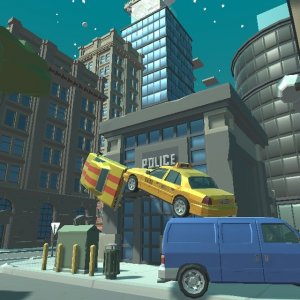
Mysterious forces have scattered everyday objects—furniture, toys, and similar items—across the sky, forming an improvised staircase upward. Your only goal is to ascend by treating each floating object as a stepping stone. The game avoids combat or time pressure; progress comes from careful movement rather than speed. Bright, colorful visuals keep the tone light, and the premise of ordinary things suspended in midair gives each screen a playful, slightly surreal look.
Jumping Between Unstable Platforms
You control a character who moves left, right, forward, and backward using keyboard keys. A jump button launches you toward the next platform. Not every object stays still: some drift or wobble, so you must watch their motion before committing to a leap. A mistimed jump means a fall, but a save system lets you record progress periodically. After falling, you restart from the last save point instead of the very bottom, which keeps longer climbs from becoming frustrating.
Timing, Patience, and Gradual Progress
Success depends on reading movement patterns and adjusting your approach. If a jump seems impossible from one angle, trying a different position often helps. The save feature is most useful right after reaching a new high point, locking in your progress before attempting a riskier section. Because the game has no combat or speed requirement, the challenge comes entirely from precision and observation. That design makes it suitable for short sessions or extended play, and it appeals to players who prefer a calm, methodical climb over reflex-driven action.

Editorial Notes