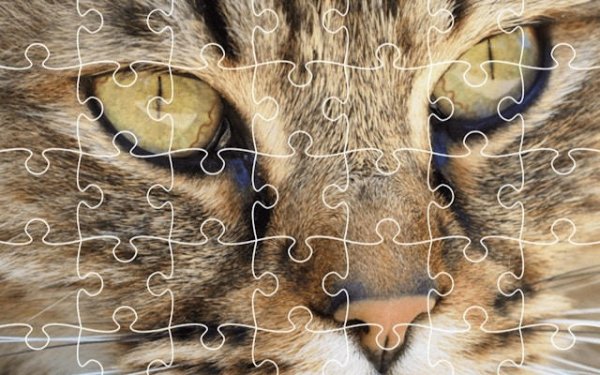
Wildlife Picture Puzzle Challenge
Developer
Instant Interactive
Updated
2026-07-20
PLAY NOW
Faq
Is Wildlife Picture Puzzle Challenge free to play?
Yes, this puzzle game is available online at no cost. Players can access the full gallery of animal images and all difficulty levels without any payment or subscription.
Can I play this game on a mobile device?
The game supports touch controls, making it compatible with most smartphones and tablets. Simply tap and drag pieces to their correct spots on the screen.
How many puzzle pieces are in each image?
Piece counts vary by difficulty selection. Beginners may find puzzles with around 20 to 30 pieces, while more advanced options can include 100 or more pieces per image.
Does the game save my progress if I leave?
Some versions of this puzzle game may save your current progress automatically. It is best to check the game's settings or description for specific save features.
Are there hints available if I get stuck?
Many online jigsaw puzzles include a preview option that shows the final image. This can serve as a helpful guide when you are unsure where a piece belongs.
Is this game suitable for young children?
Yes, the simple drag-and-drop controls and animal themes make it appropriate for children. Younger players may benefit from starting with fewer pieces and adult supervision.


Comments
0 comments